Top Drift Builds for Every Budget in FR Legends
Most players waste in-game money chasing power they cannot control. This creates frustration, not improvement.
Not every player needs unlimited horsepower or maximum upgrades. Good drift setups match your actual skill level, available budget, and track preferences. Building wrong for your ability wastes resources and stalls progression.
Budget constraints force smart decisions. Limited money means choosing what actually improves performance over what looks impressive but fails in practice. This limitation teaches better than unlimited resources ever could.
Smart building beats expensive building consistently. A controlled 350 HP setup scores higher than a chaotic 550 HP configuration. Understanding this principle separates players who improve from players who struggle indefinitely despite maxed builds.
What this guide covers
Low-budget beginner builds: Affordable configurations teaching fundamentals properly. Control-focused setups enable learning without constant crashing.
Mid-range balanced builds: Intermediate power levels balancing capability with manageability. Competitive without overwhelming.
High-power pro setups: Advanced configurations demanding perfect execution. Maximum capability for skilled players only.
What to upgrade first: Spending priority, preventing wasted resources. Optimal progression path maximizing improvement per upgrade.
Mistakes to avoid: Common errors destroying otherwise good builds. Problems are seen repeatedly across skill levels.
What “Budget” Means in FR Legends
Budget encompasses more than just in-game currency spent.
Budget is not just money:
Resource allocation across multiple improvement areas. Choices affecting overall build effectiveness beyond simple cost.
It includes:
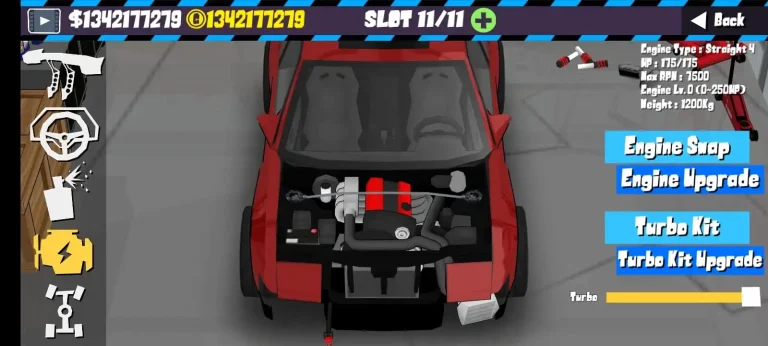
Horsepower level: Engine power determines angle capability and throttle sensitivity. More power costs more but helps less without proper control.
Upgrade depth: How extensively you modify from the stock configuration. Comprehensive upgrades are costly but often provide diminishing returns.
Tuning complexity: Setup sophistication level attempting to achieve. Simple configurations work reliably. Complex setups fail without understanding.
Car choice: Platform selection affects baseline handling and upgrade potential. Some cars cost more but suit specific styles better.
Beginner Budget Drift Build (Low Cost, High Control)
Starting configurations prioritizing learning over capability.
Best Cars for a Beginner Budget
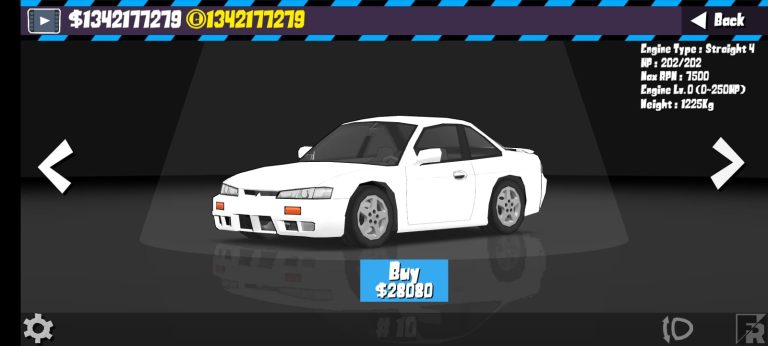
AE86: Lightweight platform teaching weight transfer fundamentals. Forgiving handling develops proper technique naturally. Affordable to build and maintain.
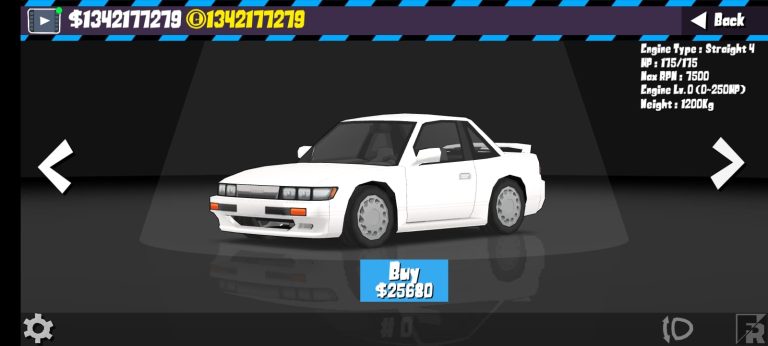
Nissan Silvia S13: Balanced chassis accepting various driving styles. Natural rotation helps beginners understand the physics of drift. Popular choice for good reasons.
Mazda Miata: Ultra-lightweight, enabling quick corrections. Mistakes stay manageable. Control develops faster than heavier platforms. Budget-friendly entirely.
Recommended Setup
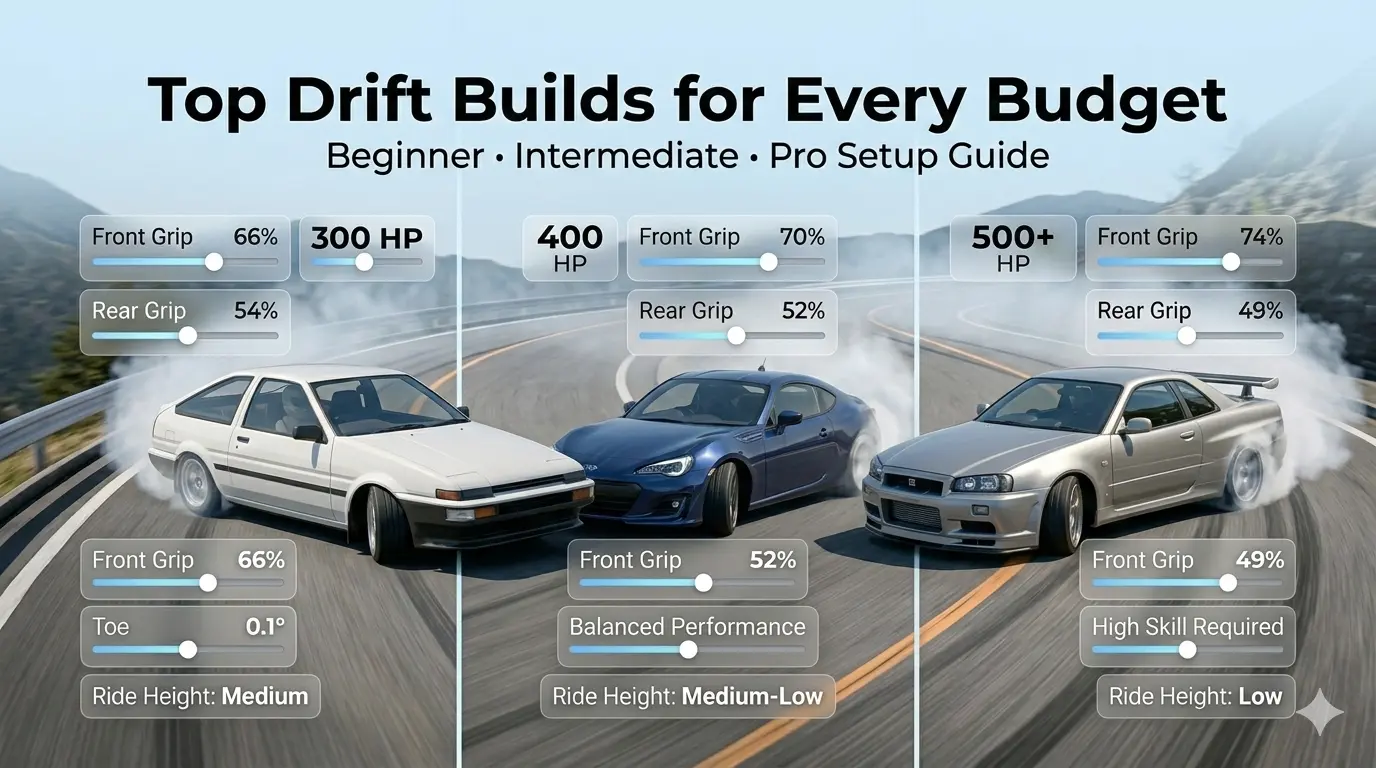
280 to 350 HP: Adequate power for drift initiation without overwhelming control. You learn to properly modulate the throttle in this range.
Medium front grip: 65-68% provides confident steering without excessive bite. Turn-in stays predictable throughout learning.
Slightly lower rear grip: 52-56% enables controlled slides without chaos. Balance fosters forgiving behavior, directly benefiting beginners.
Stable suspension: Moderate settings communicating grip changes clearly. You feel what happens before it fully releases. Warning prevents mistakes.
Why This Works
Easier to control: Forgiving configuration hides small errors while teaching proper inputs. You succeed more often, building confidence naturally.
Less spinning: Conservative power and grip balance prevent constant failures. Progression happens through success, not frustration tolerance.
Builds good habits: Set up rewards for correct technique immediately. Bad habits are corrected early rather than becoming ingrained. The foundation develops properly.
Intermediate Budget Build (Balanced Performance)
Mid-range configurations balance capability with controllability.
Best Cars for Mid-Range Builds
Nissan 370Z: Balanced platform accepting moderate power well. Stable through transitions while maintaining angle capability. Versatile across track types.
Toyota GT86: Lightweight agility with adequate power potential. Technical tracks favor this chassis particularly. Good stepping stone platform.
JZX90: Sedan platform providing stable drift characteristics. Longer wheelbase creates a flowing feel. Good for consistency-focused driving.
Recommended Setup
350 to 450 HP: Sweet spot balancing angle authority with throttle control demands. Capable without overwhelming at intermediate skill levels.
High front grip: 68-72% ensures precise steering control. You consistently place the car exactly where intended.
Balanced rear grip: 50-54% creates controllable oversteer without instability. Neither too stable nor too loose. Middle ground works reliably.
Moderate camber: Front -2.5, rear -2.0 degrees sharpens response without creating twitchiness. Predictable yet responsive handling emerges.
Ideal For
Technical tracks: Tight sections demanding precision. The setup provides the control needed for clean execution repeatedly.
Multiplayer battles: Tandem runs require consistency. A stable configuration enables reliable matching of opponent movements.
Flow-based drifting: Linked corner sequences rewarding smoothness. The setup naturally maintains momentum through transitions.
Testing various mods with intermediate builds clearly reveals handling differences. Mid-range power reveals characteristics without overwhelming them.
Pro Budget Build (High Power, High Skill)
Advanced configurations demand perfect execution constantly.
Best Cars for Advanced Players
Skyline R34: High-power platform handling significant torque. Stable enough for control when driven properly. Classic choice for good reasons.
Supra MK4: Maximum torque potential available. The Supra mod exemplifies high-power drifting perfectly. Demands exceptional throttle discipline throughout.
High-torque JDM builds: Various platforms modified for maximum angle capability. Custom configurations prioritize performance over forgiveness entirely.
Recommended Setup
450 to 550 HP: Maximum sustainable power for skilled players. Beyond this becomes unmanageable even for experts, usually.
High front grip: 70-75% maintains steering authority despite loose rear. Precision stays possible at extreme angles.
Lower rear grip: 48-52% enables extended slide capability. The maximum angle potential is unlocked completely. Control becomes critical constantly.
Precise suspension tuning: Specific camber and damping rates. Small changes produce large effects. Requires a deep understanding of optimization.
Warning
Not beginner-friendly: Configuration punishes mistakes instantly. One throttle error spins you completely. No forgiveness exists whatsoever.
Requires throttle control: Constantly demands perfect modulation. Binary inputs guarantee failure. Precision becomes mandatory, not optional.
Mistakes are punished fast: Small errors cascade into major problems immediately. Recovery becomes impossible mid-section, usually. Execution must be perfect.
Budget Setup Comparison Table
| Level | HP Range | Grip Balance | Difficulty | Best For |
| Beginner | 280-350 | Stable | Easy | Practice |
| Intermediate | 350-450 | Balanced | Medium | Competitive |
| Pro | 450-550 | Aggressive | Hard | High Score |
This table quickly clarifies the progression path. Match current ability to the appropriate row. Build accordingly for best results.
Where to Spend Your Budget First
Upgrade priority determines effectiveness per resource spent.
Tires before horsepower: Grip balance affects handling more than power increases. Get the tire setup correct first. Then add power gradually afterward.
Suspension before extreme power: Proper weight transfer enables the technique. Suspension communicates grip changes clearly. A foundation must exist before building upward.
Gear ratios after handling feel stable: Optimize powerband access once the car behaves predictably. Wrong gearing wastes good handling. Sequence matters significantly here.
Avoid maxing everything at once: Comprehensive upgrades without understanding how resources are wasted. Systematic progression teaches what actually helps. Random maxing teaches nothing useful.
Even on FR Legends PC or iOS, where resources may differ, spending priority remains identical. Fundamentals transfer across all platforms universally.
Best Tracks for Each Budget Build
Different builds suit different track characteristics optimally.
Beginner Builds
Drift Playground: Open practice space without scoring pressure. You learn without consequence. Mistakes teach without punishment. Perfect starting environment.
Tsukuba: Technical circuit teaching precision fundamentals. Short layout means quick repeated attempts. Progress happens visibly through practice.
Intermediate Builds
Suzuka: Flowing layout testing complete skill set. Mix of speeds and corner types. Good benchmark for balanced capability assessment.
Ebisu: Technical touge sections demanding consistent execution. Narrow roads punish mistakes but clearly reward improvement. Skill development accelerates here.
Pro Builds
Gunsai Touge: Long downhill flow requiring perfect throttle discipline. High power becomes an advantage only with exceptional control. Tests everything simultaneously.
Hakone maps: Continuous mountain sections linking endlessly. Maximum capability needed for clean full runs. Ultimate skill verification track.
Common Budget Mistakes Players Make
These errors waste resources across all skill levels.
Adding too much horsepower too early: Jumping to maximum power before technique justifies it. You fight the car constantly instead of learning. Progression stalls despite the expensive build.
Running low rear grip on tight tracks: Loose setup works on open circuits. Tight technical sections demand stability. Ignoring track characteristics guarantees struggles.
Copying pro builds without skill: Advanced configurations assume technique mastery. You lack this foundation. The setup designed for experts catastrophically fails for intermediates.
Ignoring track type: Using the same configuration everywhere. Different tracks demand different approaches. Universal setup optimizes nothing, compromises everything.
How to Upgrade Gradually
Systematic progression produces reliable improvement.
Start at 300 HP: Adequate power for learning fundamentals properly. Low enough to forgive errors. High enough to drift effectively.
Master control: Achieve consistent clean runs before upgrading. You should link entire tracks smoothly. Scores should reach a personal plateau.
Increase power by 50 HP: Small increments prevent overwhelming changes. You adapt quickly to new power levels. Control stays manageable throughout.
Adjust grip slightly: Reduce rear grip 1-2% as power increases. Maintains balance despite added capability. Small changes prevent instability.
Test on the same track: Use a familiar layout for comparison. You clearly isolate the effects of power changes. Other variables stay constant, enabling learning.
Repeat: Continue cycle until reaching capability limits or desired power level. Progression happens naturally through a systematic approach.
Base FR Legends teaches this progression perfectly. Even when FR Legends 2 arrives, systematic building principles remain unchanged. Fundamentals stay constant across versions.
Which Budget Level Is Right for You?
Match the configuration to the actual current ability honestly.
If you spin often, a beginner build is needed immediately. Power exceeds control currently. Reduce HP and increase rear grip. Master fundamentals before advancing.
If you want battles, the Intermediate build provides competitive capability. Stable enough for tandem runs. Powerful enough to score well. Balance suits competition perfectly.
If you chase high scores, Pro build enables maximum potential. But only after intermediate mastery proves complete. Rushing guarantees failure despite expensive configuration.
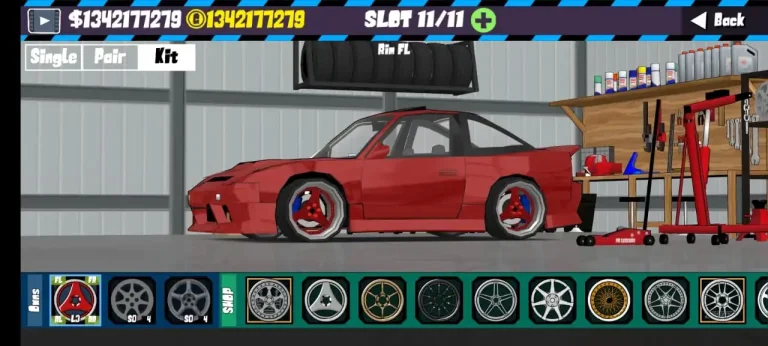
Visual customization via livery codes should align with the build philosophy. Clean professional designs suit controlled builds. Aggressive styling matches pro configurations appropriately.
Final Thoughts:
Smart buildings consistently produce better results than expensive ones.
Control over power: A manageable setup executed perfectly beats a powerful setup driven poorly. Control enables improvement. Power alone enables nothing useful.
Balance over extreme setups: Moderate balanced configurations work reliably. Extreme setups constantly fail without perfect execution. Reliability wins competitions ultimately.
Progression beats instant max builds: Gradual advancement teaches what actually helps. Jumping to maximum skips learning entirely. Understanding matters more than capability.
Budget constraints force smart decisions. Limited resources demand prioritization. This teaches better than unlimited money ever could. Embrace limitations as learning tools.
FAQ’s:
What is the best beginner drift build?
AE86 or S13 with 300-350 HP. Front grip 65-68%, rear grip 52-55%. Moderate camber, stable suspension. This combination both forgives mistakes and teaches proper technique. Avoid adding more power until consistently linking entire tracks cleanly.
Is 500 HP too much?
For beginners and intermediates, absolutely. Even advanced players struggle with 500+ HP on technical tracks. Only use this much power after mastering 450 HP thoroughly. Most players perform better with less power and more control.
Should the rear grip always be low?
No. Low rear grip suits open tracks with recovery space. Tight technical tracks need higher rear grip for stability. Beginners need a higher rear grip regardless of the track. Match grip to track type and skill level, not blanket rules.
Which car is the cheapest but effective?
AE86 or Miata. Both start affordably and remain effective throughout the learning process. Lightweight platforms teach fundamentals properly. You waste less money on unnecessary upgrades. Simple builds work better than complex, expensive ones for learning.
How often should I change the setup?
Only when specific problems appear consistently. Random changes teach nothing. Change one variable when you identify a clear weakness. Test thoroughly before additional adjustments. Most players change too often, learning nothing about cause and effect.