Best Multiplayer Tactics in FR Legends

Multiplayer drift battles differ completely from solo drifting fundamentally. Different skills determine success in competition.
Winning depends on strategy, consistency, and accurate reading of opponents. Not just car power or maximum angle capability alone.
How Multiplayer Drift Battles Work in FR Legends
Understanding the format helps choose effective tactics.
Tandem drifting: Two cars drift simultaneously through sections. One leads, one chases closely. Roles alternate between runs, typically.
Lead vs chase roles: Lead driver sets pace and line. Chase driver matches while maintaining proximity. Different challenges for each position.
Scoring focus (angle, line, proximity): Judges evaluate the quality of the drift angle. Line precision through sections matters. Proximity between cars increases scores significantly.
Context matters before learning specific tactics. Understanding rules enables strategic thinking.
What Actually Wins Multiplayer Battles:
Misconceptions cost battles constantly, despite good driving ability.
Consistency over aggression: Repeatable clean runs beat occasional perfect attempts. Reliability wins competitions consistently. Flash loses to discipline.
Clean entries: Smooth initiation every time, predictably. Judges notice entry quality immediately. First impressions matter significantly.
Controlled exits: Positioning for the next section matters critically. Messy exits break the rhythm visibly. Flow determines overall impression.
Staying close without contact: Proximity scores points without risk. Touching ends runs instantly. Balance skill separates winners from losers.
Best Cars for Multiplayer Drift Battles
Platform choice significantly affects battle capability beyond mere preference.
Balanced Cars for Consistent Tandems
Stable handling: Predictable behavior enables matching opponent movements. You react to their actions reliably. Consistency becomes possible naturally.
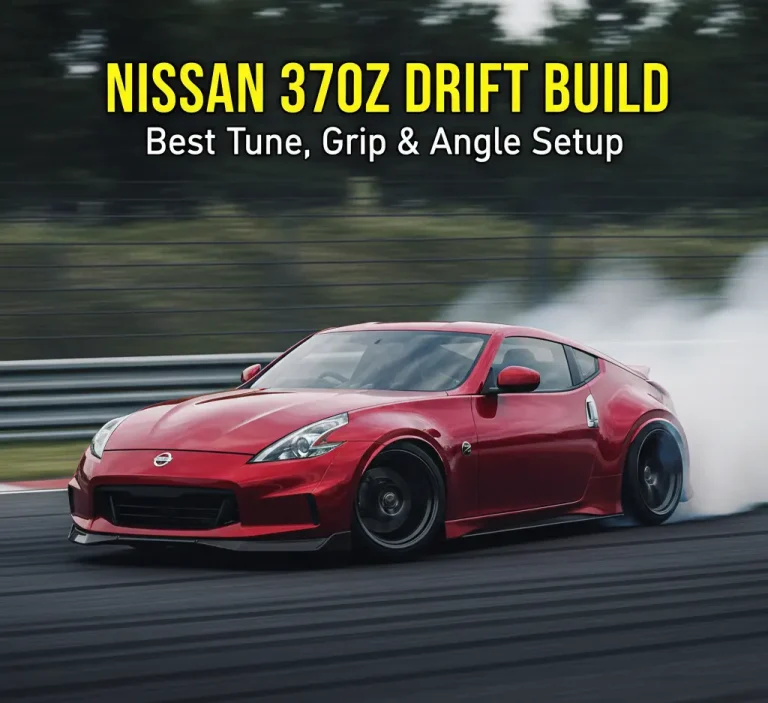
370Z, GT86, balanced S13 builds work excellently. Platforms prioritizing control over capability suit battles perfectly.
Predictable throttle: Linear power delivery, preventing sudden traction changes. You modulate precisely, matching the lead driver. Control stays manageable throughout.
Testing various new cars reveals which platforms suit tandem runs best. Stable characteristics matter more than peak performance.
Cars to Avoid in Multiplayer
Overpowered builds: Excessive horsepower makes it difficult to keep up with opponents. The throttle becomes too sensitive for precision proximity. Control suffers dramatically.
The Supra mod with maximum power struggles in battles. Too much capability overwhelms the need for precise control.
Unstable high-angle setups: Extreme angle configurations create unpredictable behavior. Matching movements becomes impossible consistently. Reliability disappears completely.
Multiplayer Tactics for Lead Driver
The lead position demands a specific strategic approach in its entirety.
Control Your Entry Speed
Avoid sudden braking: Smooth, controlled entries help match the chase driver. Unexpected braking causes contact instantly. Predictability helps both drivers.
Smooth initiation: Progressive drift entry telegraphs intentions clearly. Chase driver anticipates movement naturally. Flow maintains between both cars.
Hold a Predictable Line
Makes chasing harder: Consistent line forces the chase driver to maintain precision. You control the battle pace completely. They react constantly.
Reduces mistakes: Familiar lines repeated enable muscle memory. Errors decrease through repetition. Confidence builds naturally.
Avoid Over-Angling
Judges reward control: Sustainable angle beats extreme angle executed poorly. Quality matters more than maximum capability. Discipline scores higher.
Keeps tandem tight: A moderate angle naturally maintains speed. The chase driver stays closer. Proximity scores increase reliably.
Multiplayer Tactics for Chase Driver
Following demands a different skill set from leading entirely.
Match Speed, Not Angle
Proximity matters more: Staying close scores higher than matching angle exactly. Distance affects judging significantly. Focus placement properly.
Speed synchronization keeps you near the lead car. Angle becomes a secondary consideration. Priorities shift completely.
Use Micro-Throttle Adjustments
Stay close without contact: Small throttle changes precisely adjust distance. Large inputs create instability. Finesse enables proximity control.
Constant tiny corrections maintain optimal spacing. You never fully commit throttle. Modulation stays active constantly.
Recover Quickly from Small Mistakes
Do not panic: Small errors stay manageable if caught immediately. Overreacting makes problems worse exponentially. Calm response saves runs.
Maintain flow: Keep drifting even during recovery. Breaking the rhythm ends scoring instantly. Continuous motion matters critically.
Track Awareness in Multiplayer Battles
Environmental changes significantly alter optimal tactics beyond just familiarity with the layout.
Why narrow tracks change tactics:
Limited space dramatically reduces the proximity margin. A conservative approach becomes necessary. Aggression causes contact inevitably.
Tight sections demand restraint from both drivers. Space constraints remove options. Discipline prevents disasters.
How wide tracks allow riskier proximity:
Extra space enables closer following safely. You take calculated risks, benefiting scores. The recovery room exists naturally.
Open sections reward aggressive proximity tactics. Risk-reward balance shifts favorably. Confidence increases appropriately.
Tuning Tips Specifically for Multiplayer
Battle setups fundamentally differ from solo configurations.
Slightly higher grip: Front 68-72%, rear 52-56%, provides stability. Predictability matters more than slide length. Consistency enables matching movements.
Stable suspension: Medium settings communicate clearly without harshness. You feel changes developing progressively. Control stays manageable constantly.
Predictable steering response: Progressive turn-in suits proximity driving. Harsh response creates jerky, unpredictable movements. Smoothness matters critically.
Why multiplayer tuning differs from solo builds:
Solo runs optimize for maximum scoring alone. Battles optimize for opponent matching. Different priorities demand different setups.
Base FR Legends physics apply identically everywhere. Battle tactics transfer across versions, including FR Legends 2 when released.
Common Multiplayer Mistakes That Lose Battles
These errors appear repeatedly, costing otherwise capable drivers.
Chasing too aggressively: Forcing proximity inevitably creates contact. Patience wins over impatience consistently. Discipline matters fundamentally.
Brake checking: Intentionally slowing suddenly, hoping the opponent crashes. Judges notice instantly. Reputation suffers permanently.
Over-tuning cars: Maximum everything ruins controllability completely. You cannot match your opponent smoothly. Moderate setups work better.
Ignoring opponent rhythm: Fighting their pace instead of matching. Creates a disconnected tandem visually. Judges penalize obviously.
How to Read Your Opponent’s Driving Style
Adaptation mid-battle separates great from good drivers.
Aggressive vs smooth drivers:
Aggressive drivers enter fast and brake late. You adjust the following distance accordingly. Anticipation prevents surprises.
Smooth drivers maintain flow constantly. Matching becomes easier naturally. Rhythm develops between both cars.
Adjusting chase distance:
Aggressive leaders need more room to follow. Their unpredictability demands a safety margin. Conservative spacing prevents contact.
Smooth leaders allow a safer proximity. Their predictability enables confidence. Closer spacing increases scores.
Learning patterns mid-run:
Notice where the opponent breaks consistently. Where they initiate drift always. Patterns emerge quickly, enabling anticipation.
Adaptation happens through active observation. You adjust tactics in real-time constantly. Awareness determines success.
Playing Fair vs Playing Smart in Multiplayer
Winning matters, but reputation ultimately lasts longer.
Respect clean drifting: Contact-free tandems benefit everyone equally. Clean battles improve community atmosphere. Fairness matters beyond just winning.
Avoid contact abuse: Intentional ramming ruins experience universally. Short-term gains cost long-term respect. Integrity matters fundamentally.
Build reputation: Consistent fair play creates positive recognition. Players remember clean competitors favorably. Community respect develops naturally.
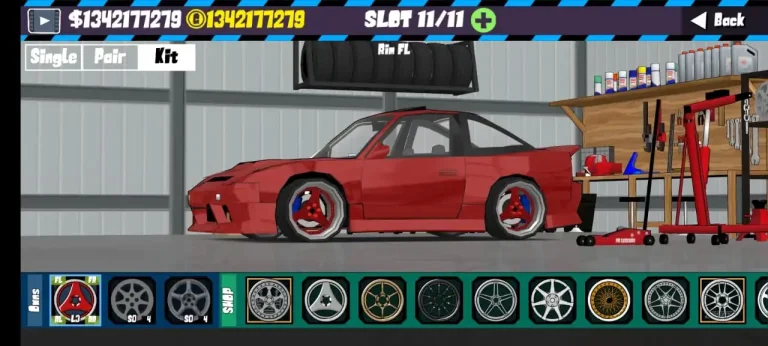
Visual elements like livery codes often reflect personality and playing style. Clean professional designs suit a fair, competitive mindset.
Practice Routines to Improve Multiplayer Performance
Systematic training produces faster improvement than random battles.
Practice chase runs: Follow AI or friends repeatedly. Focus purely on proximity maintenance. Distance control develops through repetition.
Repeat the same track: Master specific layouts completely. Muscle memory enables focus on the opponent. Familiarity removes one variable.
Use consistent car builds: Same setup every session initially. You learn platform limits clearly. Changes become obvious immediately.
Exploring various FR Legends mods provides variety in practice. But consistency matters more during focused improvement.
Do Mods Give an Advantage in Multiplayer?
Balanced perspective beyond simple yes or no.
Skill still matters more: No mod replaces proper technique fundamentally. Execution quality determines outcomes primarily. Practice beats modifications always.
Mods can improve access, not skill: Additional cars or tracks enable variety. But driving ability stays unchanged. Tools help, talent wins.
Fair-play perspective:
Some lobbies restrict modifications completely. Others allow freely. Knowing rules prevents disqualification. Adaptation matters regardless.
Competitive integrity demands honesty about capabilities. Mods or not, respect matters universally.
Final Thoughts:
Fundamental principles determine battle success consistently.
Multiplayer is about discipline:
Restraint beats aggression typically. Patience enables consistency naturally. Self-control separates winners from losers.
Smooth driving beats flashy moves:
Judges reward clean execution over extreme style. Sustainability matters more than maximum capability. Quality beats flash.
Adaptability wins battles:
Reading opponents’ mid-run enables tactical adjustment. Rigid approach fails against varied styles. Flexibility determines success.
FAQ’s:
What car is best for multiplayer drifting?
370Z or GT86 for balanced tandems. Stable handling enables opponent matching naturally. Predictable throttle maintains proximity control. Avoid overpowered builds overwhelming precision. Moderate capability beats extreme always.
How do I stay close without crashing?
Micro-throttle adjustments constantly. Small corrections maintain optimal distance. Watch the lead driver brake points carefully. Anticipate movements through pattern recognition. Practice proximity control specifically repeatedly.
Does tuning affect multiplayer scoring?
Indirectly, through enabling better execution. Proper setup improves control quality. Better control produces higher scores. But judges evaluate driving, not configuration. Technique matters most ultimately.
Are mods allowed in multiplayer?
Depends on lobby settings entirely. Some allow freely, others restrict completely. Check room rules before joining. Assume stock unless specified otherwise. Competitive integrity demands honesty always.
How can beginners improve faster?
Practice chase runs specifically repeatedly. Master one track completely initially. Use stable, consistent car builds. Watch experienced players actively. Focus on smoothness over speed. Patience produces progress reliably.