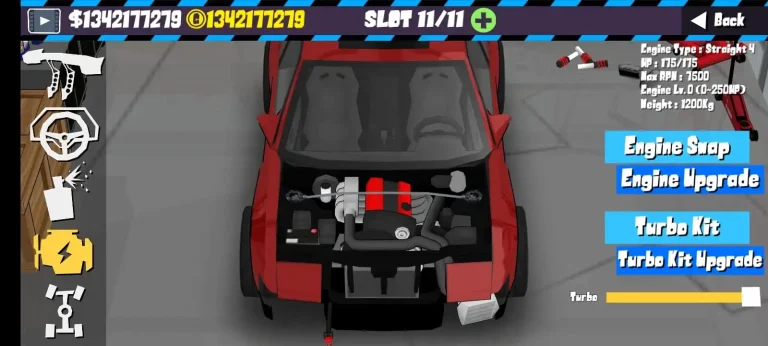
Hakone Turnpike FR Legends Guide: Best Cars, Setups & Tips
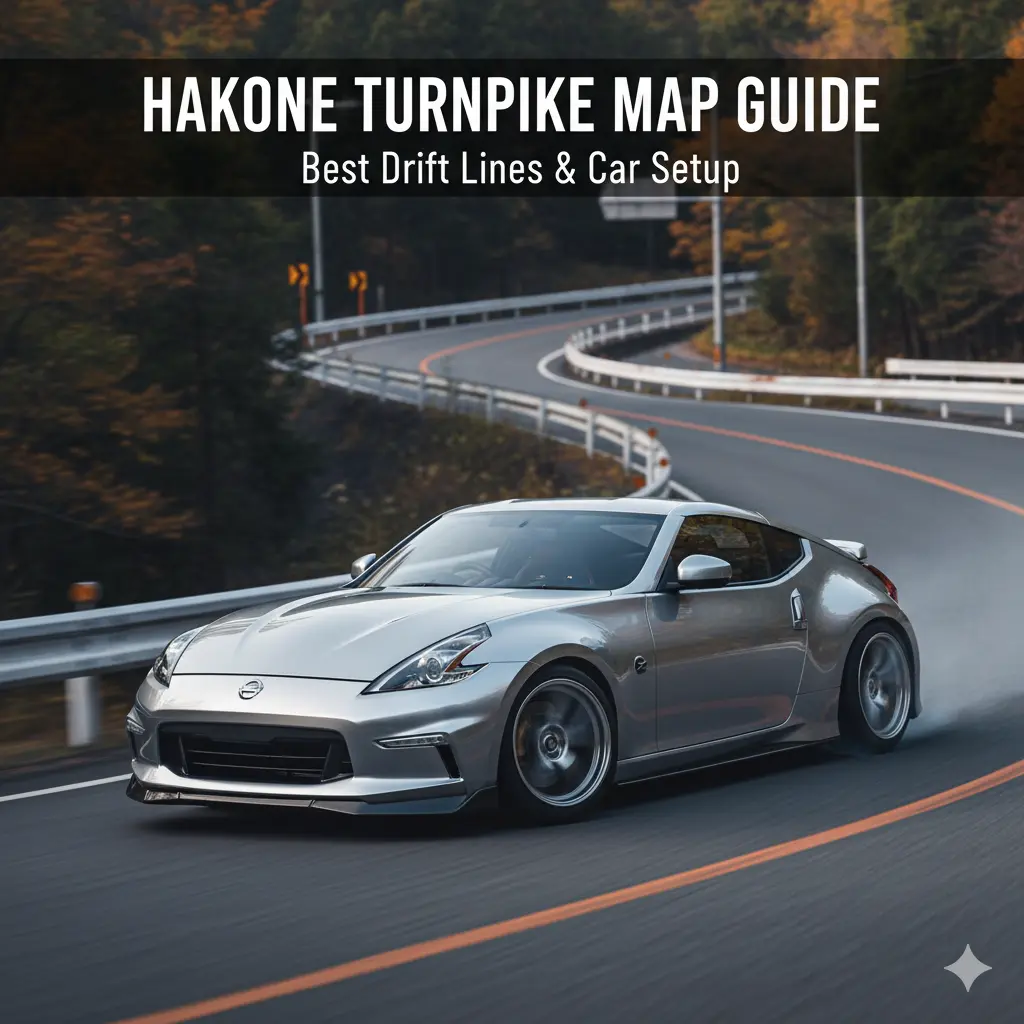
Hakone Turnpike is one of the most recognizable touge-style tracks in FR Legends, known for tight corners and constant elevation changes. It separates players who’ve built real control from those still relying on raw speed.
This guide covers what makes Hakone distinct, how to approach it, and which cars and setups work best.
What Is Hakone Turnpike in FR Legends?
Hakone Turnpike is a mountain touge-style track built around narrow roads, sharp corners, and elevation change. It mimics a real mountain pass rather than a flat circuit, demanding constant adjustment rather than a single repeatable rhythm.
What Makes Hakone Turnpike Challenging?
Hakone is challenging because it combines elevation changes, technical corners, and limited recovery space into one layout.
Elevation changes affect grip and weight transfer mid-corner, so a line that works on a flat track can fail here. Corners arrive in quick succession, leaving little time to reset. Recovery space is minimal, so a small overcorrection that’s forgivable on an open circuit often ends a run on Hakone.
Beginners typically struggle because habits built on wider, more forgiving tracks don’t transfer cleanly here.
Hakone vs Standard Circuit Tracks
Hakone is a touge-style mountain road, while standard circuits are wider, flatter, and far more forgiving. Circuits reward consistency, letting players repeat the same line corner after corner. Hakone rewards precision and active weight transfer instead, since elevation punishes anything done on autopilot.
Beginners generally learn faster on circuits, where mistakes carry fewer consequences. Experienced players gain more technical improvement over time in Hakone specifically.
Skills You Can Develop in Hakone
Hakone is one of the most effective tracks for developing real technical skill, the kind of precision that built Japanese touge culture and inspired media like Initial D.
Weight transfer becomes something you manage actively rather than rely on instinct, since elevation shifts how your car settles through each corner. Corner entry control improves quickly here, since sloppy entries get punished almost immediately.
Throttle management matters more here than on most tracks, since over-applying power mid-corner upsets balance on inclines. Drift consistency is the long-term payoff, carrying into every other track you drive.

Best Cars for Hakone Turnpike
Lightweight JDM cars generally perform best on Hakone, since quick direction changes matter more than outright power. The JDM car roster covers several platforms suited to this style of driving.
Balanced drift builds, tuned for responsiveness over raw speed, handle elevation changes more predictably. A car that turns in quickly and recovers fast from small mistakes outperforms a more powerful but less agile build here. The top drift build guide is a useful starting point if you’re unsure which platform to commit to.
Recommended Setup Approach
The right setup for Hakone prioritizes stability and smooth transitions over aggressive, high-angle drift potential.
Suspension and tire settings tuned for low-speed precision work better here than setups built for high-speed circuits. The FR Legends Tire Settings Guide and FR Legends Suspension Settings Guide cover the adjustments that matter most here.
Avoid an aggressive, loose setup built for maximum angle. Hakone rewards control first.
Common Mistakes in Hakone
- Entering corners too aggressively. Carrying too much speed into a blind or elevation-changing corner is one of the fastest ways to lose a run. Brake earlier than feels natural until you learn the layout.
- Excessive speed on straights. Hakone’s straights are short. Treating them like a high-speed straight leaves no time to set up the next corner.
- Overcorrecting mid-drift. Small adjustments work better than large ones here. Overcorrection often turns a recoverable slide into a wall hit.
- Choosing unsuitable builds. A heavy, high-power car built for open circuits rarely translates well here. Lighter, responsive builds are far more forgiving, similar to what works on the best drift routes for FR Legends players.
Who Should Drive Hakone?
Beginners can drive Hakone, but it’s not the ideal track to learn fundamentals on. Tight margins punish mistakes that new players are still working through.
Intermediate players benefit most, since they typically have enough base control to refine precision without being overwhelmed. Advanced players use Hakone as a genuine skill test, exposing inconsistencies in weight transfer and corner entry that easier tracks won’t reveal.
Final Thoughts
Hakone Turnpike remains one of the most respected tracks in FR Legends because it rewards the skills that separate good drifters from great ones. Weight transfer, corner entry control, and throttle management all get tested here in a way few other tracks manage.
Consistent time here carries over into everything else you drive. For a broader look at how Hakone fits the rest of the roster, the FR Legends Drift Tracks Guide is the natural next stop.
FAQs
Is Hakone good for beginners?
Not ideal as a starting point. Beginners can drive it, but tight margins punish habits not yet developed on easier tracks.
What car works best in Hakone?
Lightweight, responsive JDM builds perform best here, since direction changes matter more than raw power.
Is Hakone harder than standard circuits?
Yes. Standard circuits offer more recovery space and fewer elevation changes, making Hakone more demanding.
Does Hakone require special tuning?
Not special, but setups prioritizing stability over aggressive drift angle perform better here.
Why do players like Hakone?
It offers a genuine technical challenge, rewarding precision and consistency, which many find more satisfying than easier tracks.
What skill does Hakone improve most?
Weight transfer management improves most, since elevation forces active control, flatter tracks don’t demand.
Can I drift Hakone with a high-power build?
You can, but heavier high-power cars feel sluggish and harder to correct on Hakone’s tight sections than lighter builds.
Is Hakone Turnpike based on a real road?
Yes. Hakone Turnpike is inspired by a real mountain road in Japan known among driving enthusiasts and touge fans. The FR Legends version recreates that technical route rather than a standard racing circuit.